A musty smell is easy to ignore at first.
It may show up in one room, near a closet, around an air vent, behind a wall, or after a heavy rain. Many homeowners spray air freshener, open a window, or run the air conditioner and hope it goes away. But in many Port St. Lucie homes, that smell can be a warning sign of hidden moisture and possible mold growth.
Mold does not always begin as a large visible patch on the wall. Sometimes it starts behind baseboards, under flooring, inside cabinets, near plumbing, around windows, or in areas affected by past water damage. By the time you notice staining or visible growth, the moisture problem may have been present for a while.
Why mold problems are common in Florida
Port St. Lucie has a warm, humid climate, and humidity makes moisture problems harder to ignore. When a leak, flood, roof issue, or air conditioning problem leaves materials damp, mold can develop if the affected area is not dried properly.
The issue is not only the mold you can see. The bigger concern is the moisture source that allows it to keep coming back. Cleaning the surface without fixing the moisture problem can make the home look better temporarily, but the odor or growth may return.
Signs you may need mold remediation
A musty odor is one of the most common signs. Other warning signs include dark spots on drywall, peeling paint, soft baseboards, bubbling flooring, stains around vents, recurring moisture near windows, or a room that always feels damp. If you recently had water damage, even a small leak can become a mold concern if moisture was trapped inside materials.
Mold may also appear in places that are easy to overlook. Check under sinks, behind toilets, around washing machines, below windows, inside closets, near air handlers, and along exterior walls after storms.
Why surface cleaning is not enough
It is tempting to wipe visible mold and move on. The problem is that mold remediation is not just cleaning. A proper remediation process looks at containment, moisture control, removal of affected materials when needed, air movement, drying, and safe cleanup.
If mold is disturbed without the right precautions, particles can spread to other areas. That is why professional remediation focuses on controlling the affected area and addressing the reason the mold developed in the first place.
The connection between water damage and mold
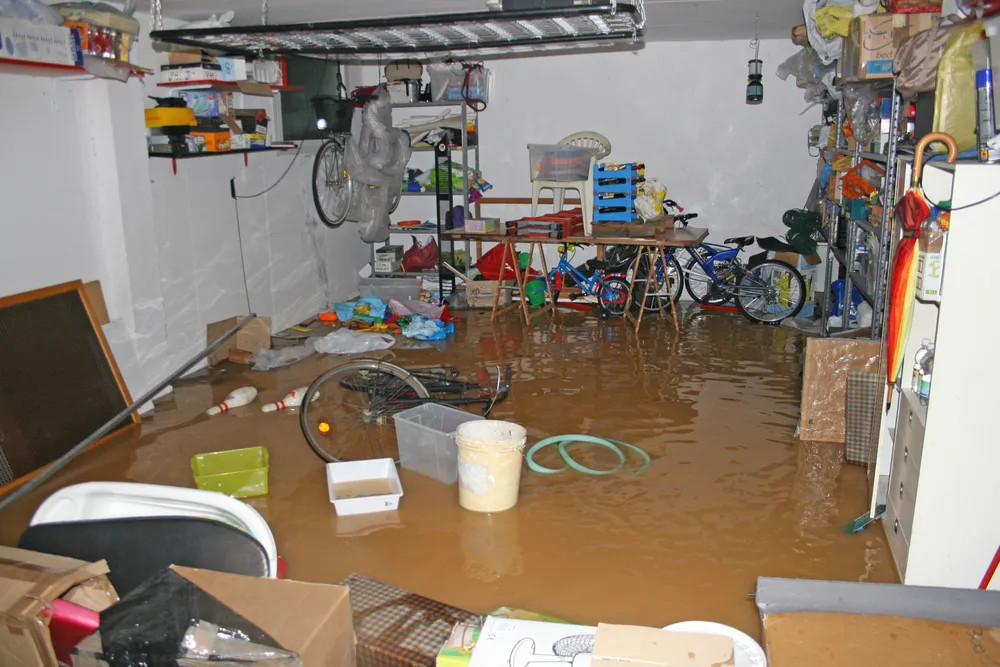
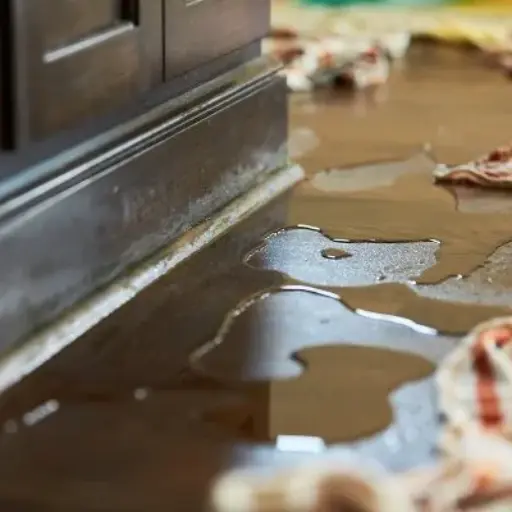
Many mold problems begin with water damage that seemed small at the time. A slow supply line leak, a roof leak after a storm, water around a window, an overflowing appliance, or moisture under flooring can all create conditions for mold.
This is especially important after water damage restoration. If the structure is not dried properly, moisture can remain hidden behind walls, beneath cabinets, and under flooring. That hidden moisture can create a perfect environment for mold growth.
What a professional mold remediation process may include
A mold remediation project usually begins with an inspection to locate visible and hidden moisture concerns. The affected area may be contained to limit spread. Damaged porous materials may need to be removed. Surfaces are cleaned, sanitized, and dried. The goal is to remove the affected materials safely and reduce the conditions that allowed the problem to grow.
The most important part is solving the moisture problem. Without that, mold can return.
Protecting your property before the problem grows
If your home smells musty, do not cover it up and wait. A quick inspection can help determine whether the odor is coming from humidity, trapped moisture, or an active mold issue. The sooner the problem is found, the easier it may be to contain and correct.
Markie Restoration helps Port St. Lucie homeowners and businesses with mold removal and remediation after leaks, flooding, storm damage, and moisture problems. A clean home should not smell damp, hidden, or suspicious. If it does, it is worth checking.
Need mold remediation in Port St. Lucie, FL? Call Markie Restoration at (772) 204-2897.